FORMAT Long Métrage
GENRE Comédie Dramatique d’Apprentissage/Initatique
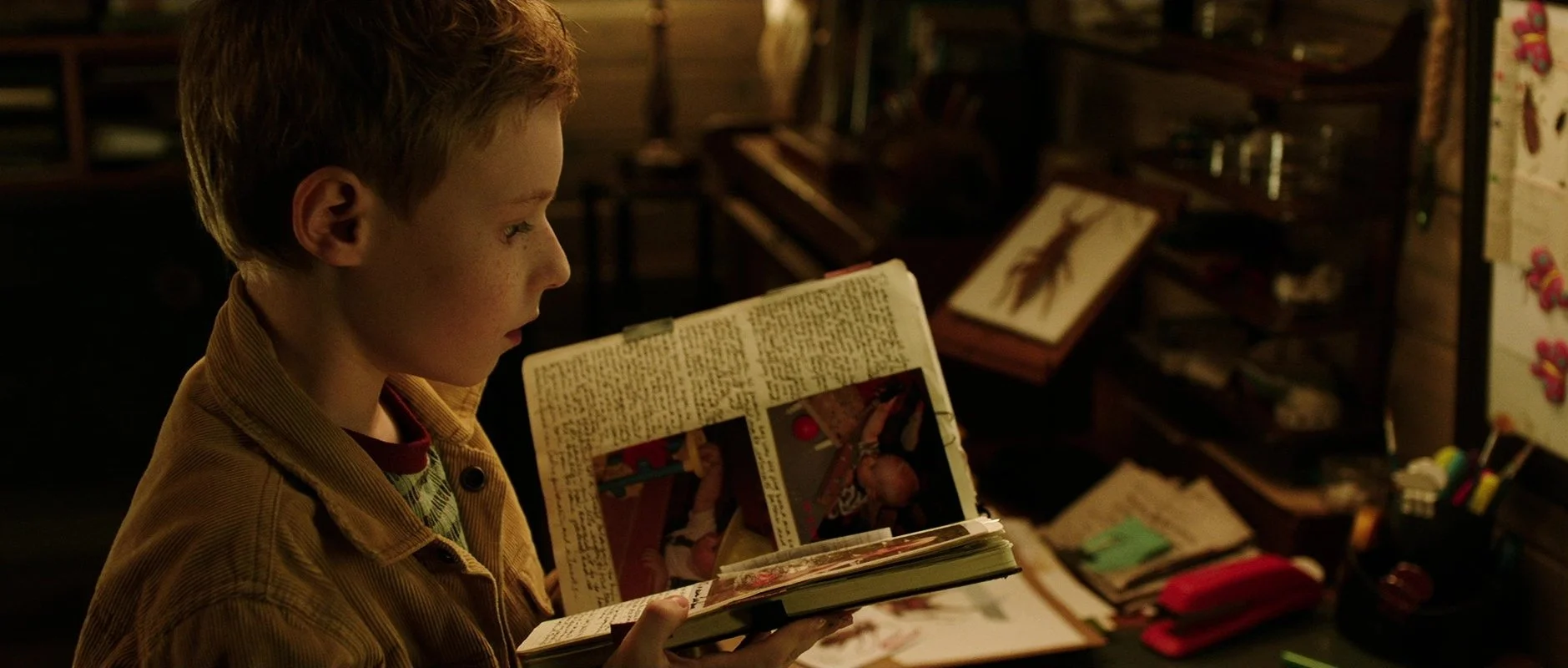
Lorsque Marc découvre un mystérieux livre de souvenirs qui pourrait le mener jusqu’à son père disparu depuis longtemps, il quitte la maison et part à la rencontre d’inconnus dont les histoires le guideront dans un voyage inattendu d’amitiés improbables et d’une quête de soi.

CONCEPT
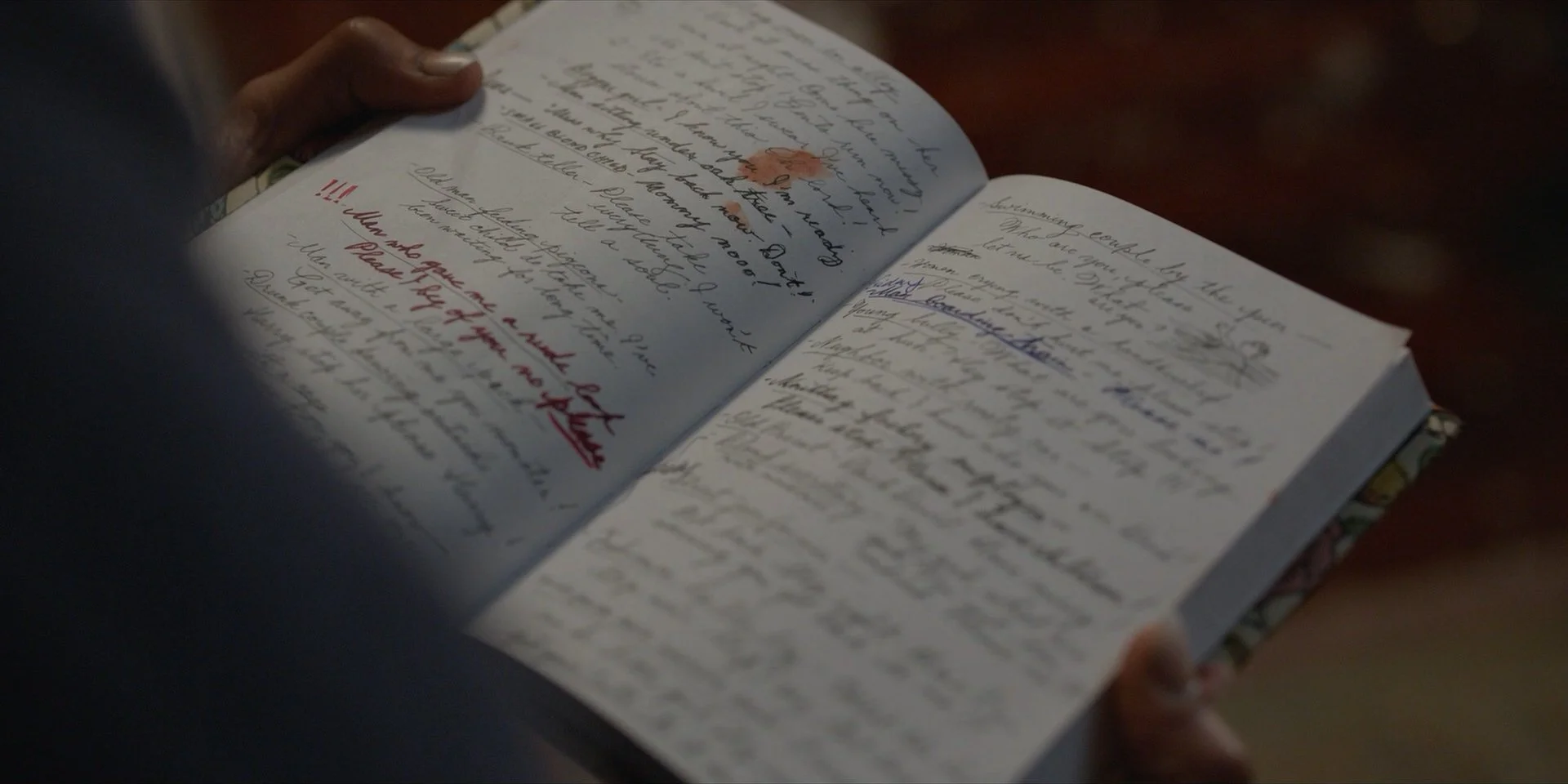
Qu’est-ce qu’un Communal ?
Avant qu’Internet ne donne à chacun un endroit pour raconter sa vie, il existait les communaux : des journaux anonymes qui circulaient de bibliothèque en bibliothèque, où chacun pouvait laisser un morceau de son histoire pour quelqu’un d’autre à découvrir.
Chaque communal contenait, sur sa première page, un simple ensemble de règles communautaires, une invitation discrète à l’honnêteté, au respect et à l’ouverture.
Pendant des décennies, les communaux ont été une tradition cachée connue surtout des bibliothécaires et de quelques lecteurs curieux, une sorte de réseau secret de connexions humaines qui existait en marge du monde. Mais avec l’arrivée d’Internet, ils ont peu à peu disparu de la mémoire collective.
Aujourd’hui, ils ne survivent plus que comme une vieille légende que se racontent encore les bibliothécaires, le dernier vestige d’une époque où les gens partageaient leurs histoires non pas avec tout le monde, mais avec la personne qui aurait la chance de tomber dessus ensuite.
NOTE DU RÉALISATEUR
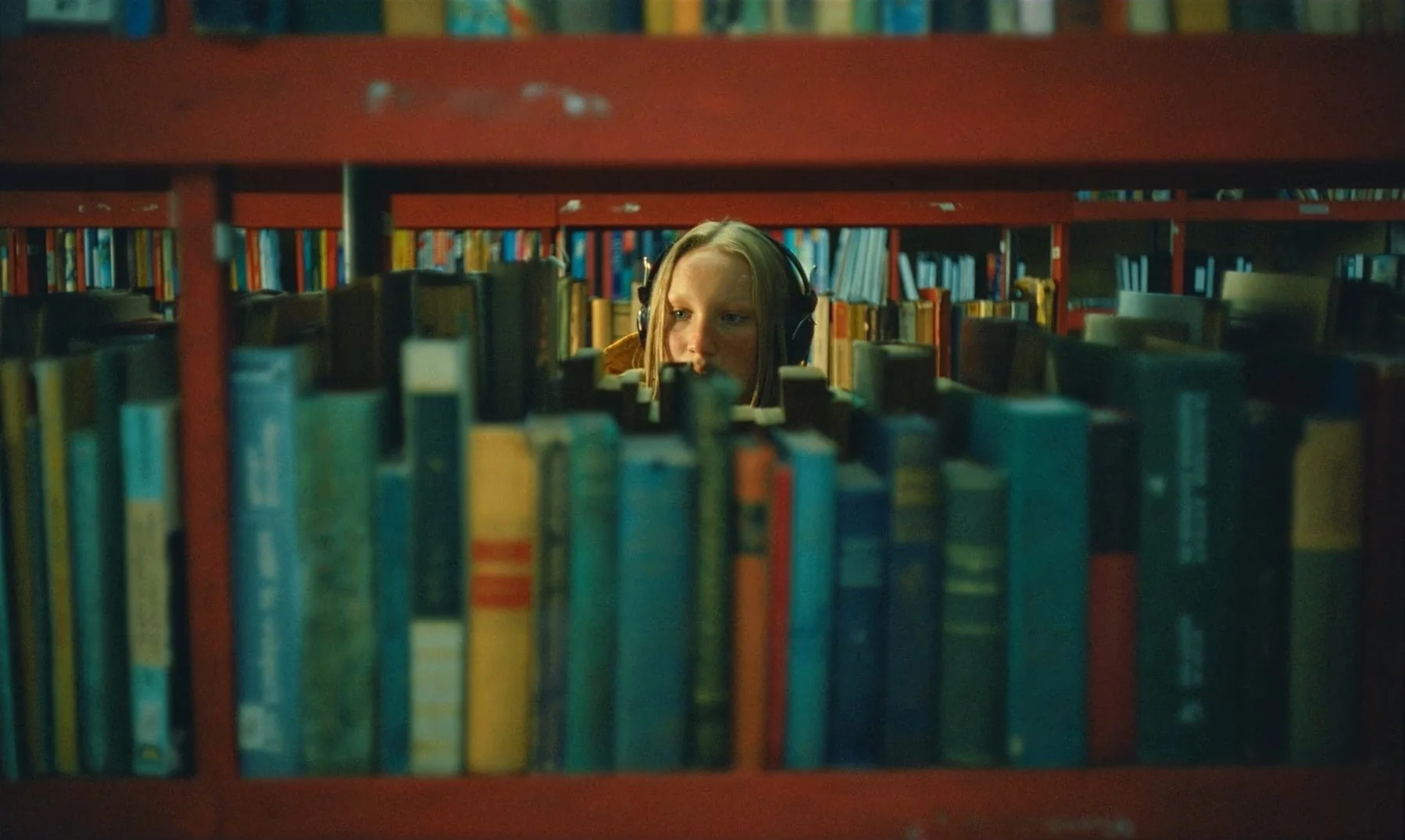
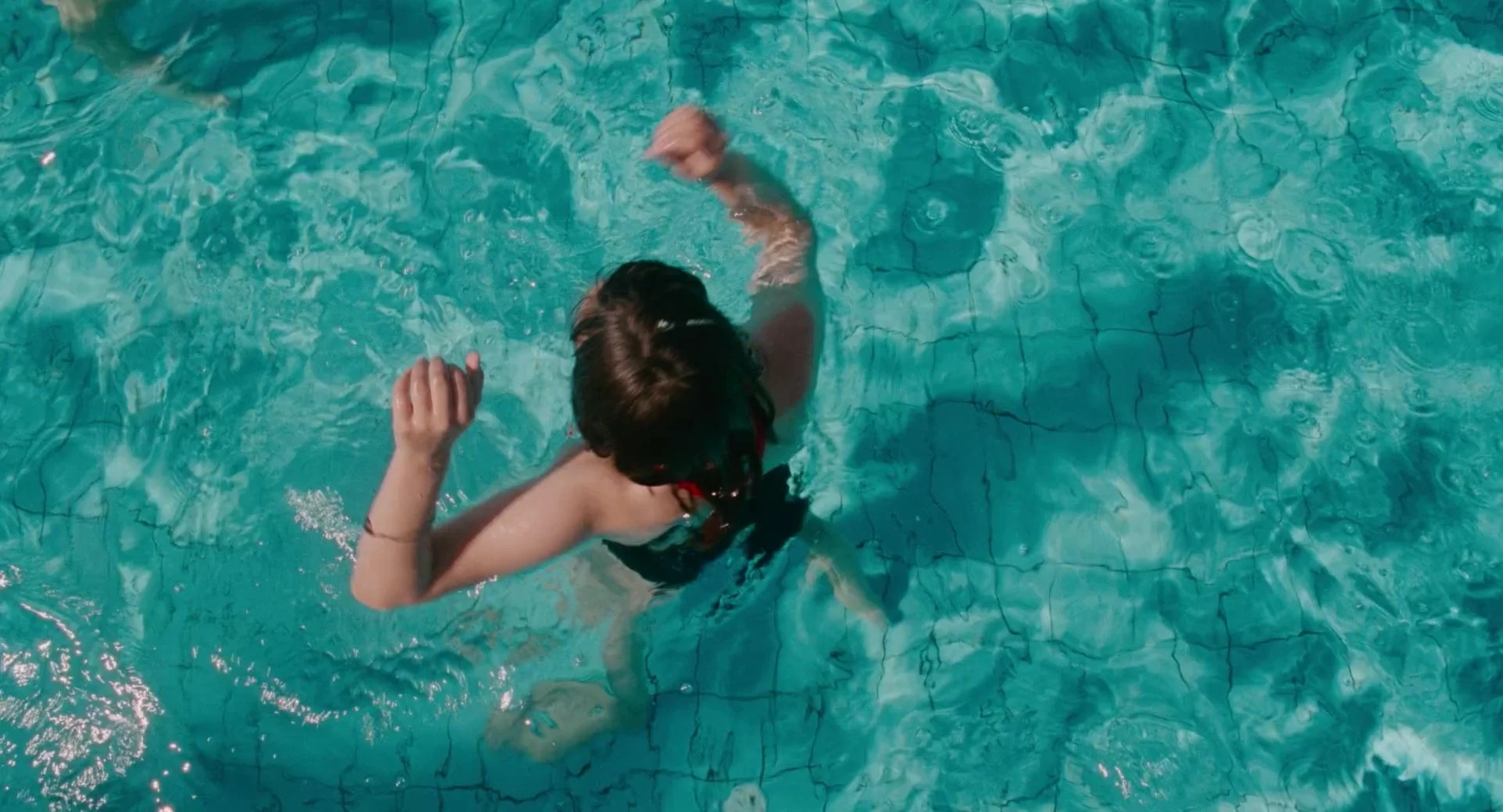
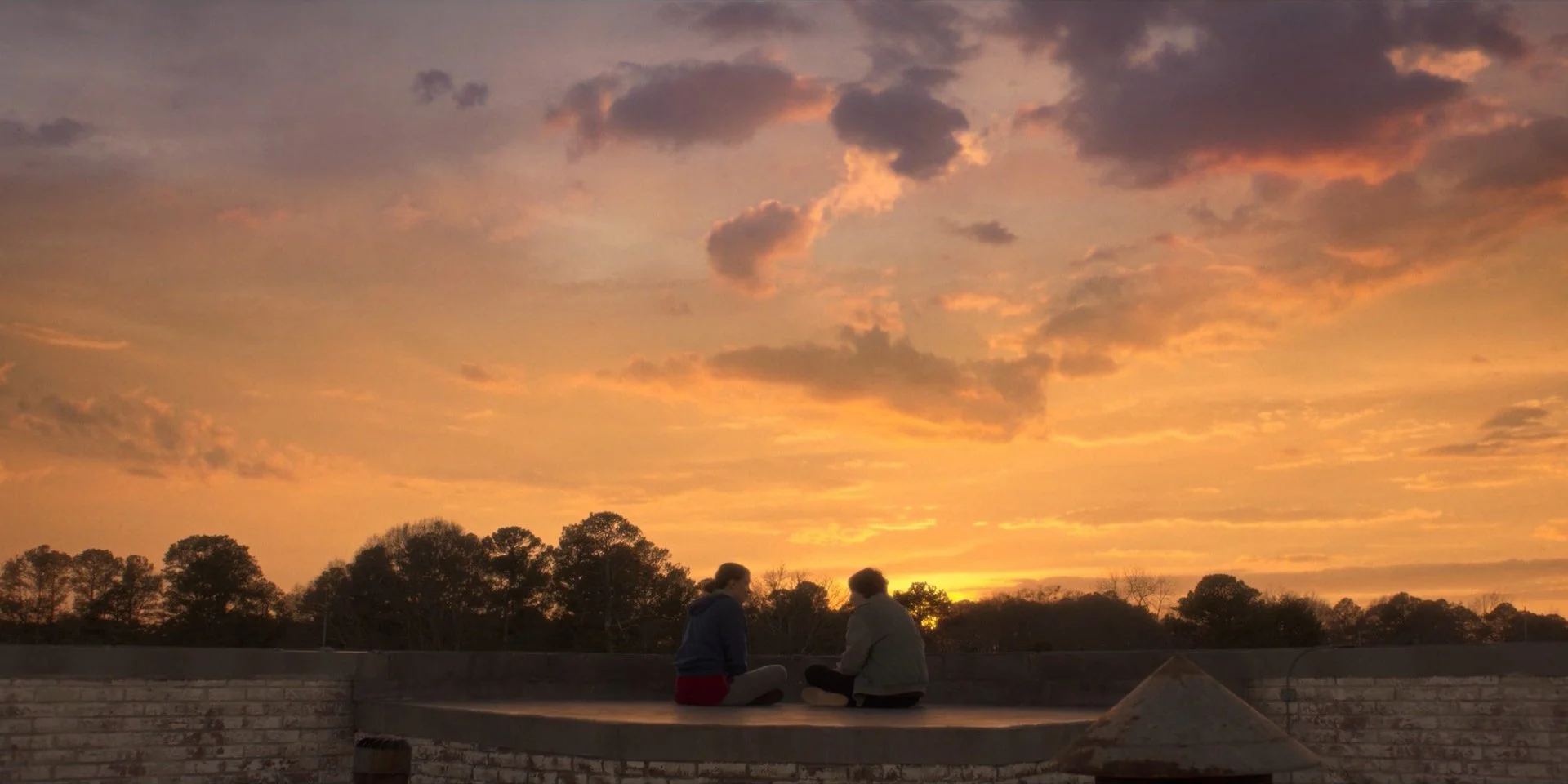
Les jours avant l’arrivée d’Internet dans nos vies me manquent. Ce qui me manque, c’est la connexion humaine simple. Ces moments où l’on était pleinement présent, où l’on partageait une expérience ensemble, sans avoir besoin de la documenter ou de la partager ou d’être vu.
Ce qui me manque surtout, ce sont les traces que les gens laissent derrière eux, ces petits morceaux d’eux-mêmes qui restent avec nous longtemps après qu’un moment soit passé. Une note, un objet oublié, un souvenir attaché à quelqu’un qu’on aime. De petits fragments qui portent en eux la présence d’une autre personne. En me replongeant avec nostalgie dans mes propres souvenirs des moments passés avec mes proches, je me suis mis à être fasciné par ces traces, ces marques invisibles que les gens laissent dans nos vies.
C’est de cette fascination qu’est né Le Communal, un objet oublié où des inconnus partageaient leurs histoires anonymement, non pas pour être vus par tout le monde, mais pour être découverts par quelqu’un. De cette idée est née l’histoire d’un garçon, portant mes propres insécurités, qui part à la recherche de son père disparu depuis longtemps à travers une trace qu’il a laissée dans un communal. Mais ce qui commence comme une quête personnelle devient, au fond, un voyage à travers les vies d’inconnus à la recherche de cette connexion humaine. Chaque histoire qu’il découvre le rapproche un peu plus de la vérité, tout en lui révélant quelque chose sur lui-même.
Dans un monde où nous sommes plus connectés que jamais mais de plus en plus éloignés les uns des autres, j’ai voulu explorer le pouvoir de la connexion humaine, ces façons dont des inconnus peuvent toucher nos vies, laisser leur empreinte, et faire partie de notre histoire.
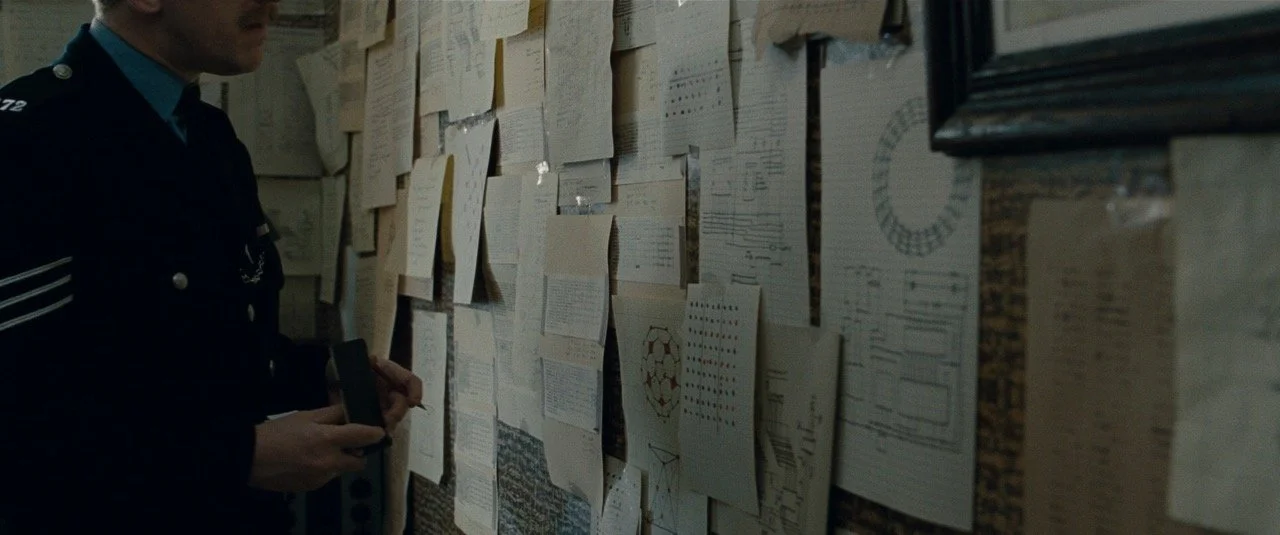
RESEARCH



-
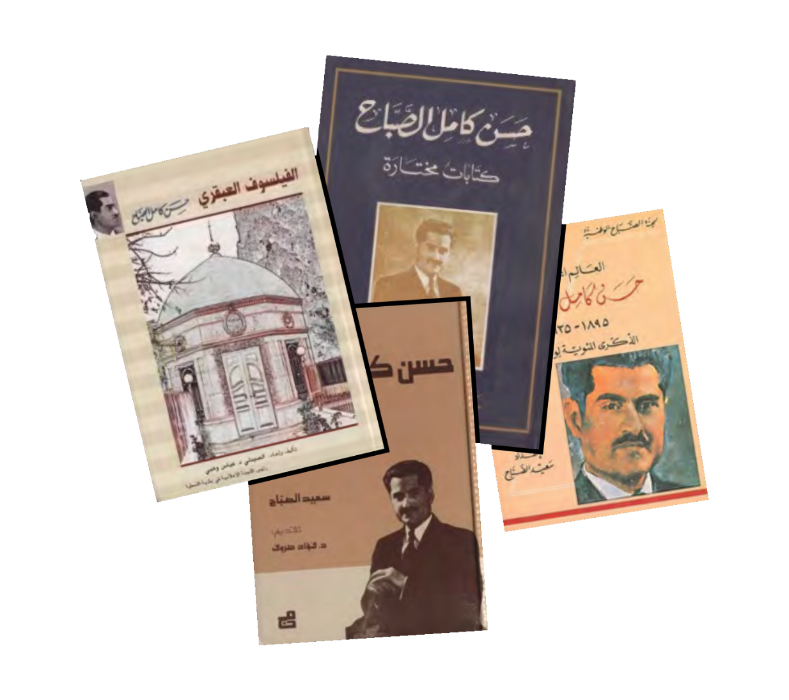
From an ensemble of publicly available information to check and confirm what is already known and what many believe has happened to Sabbah.
-
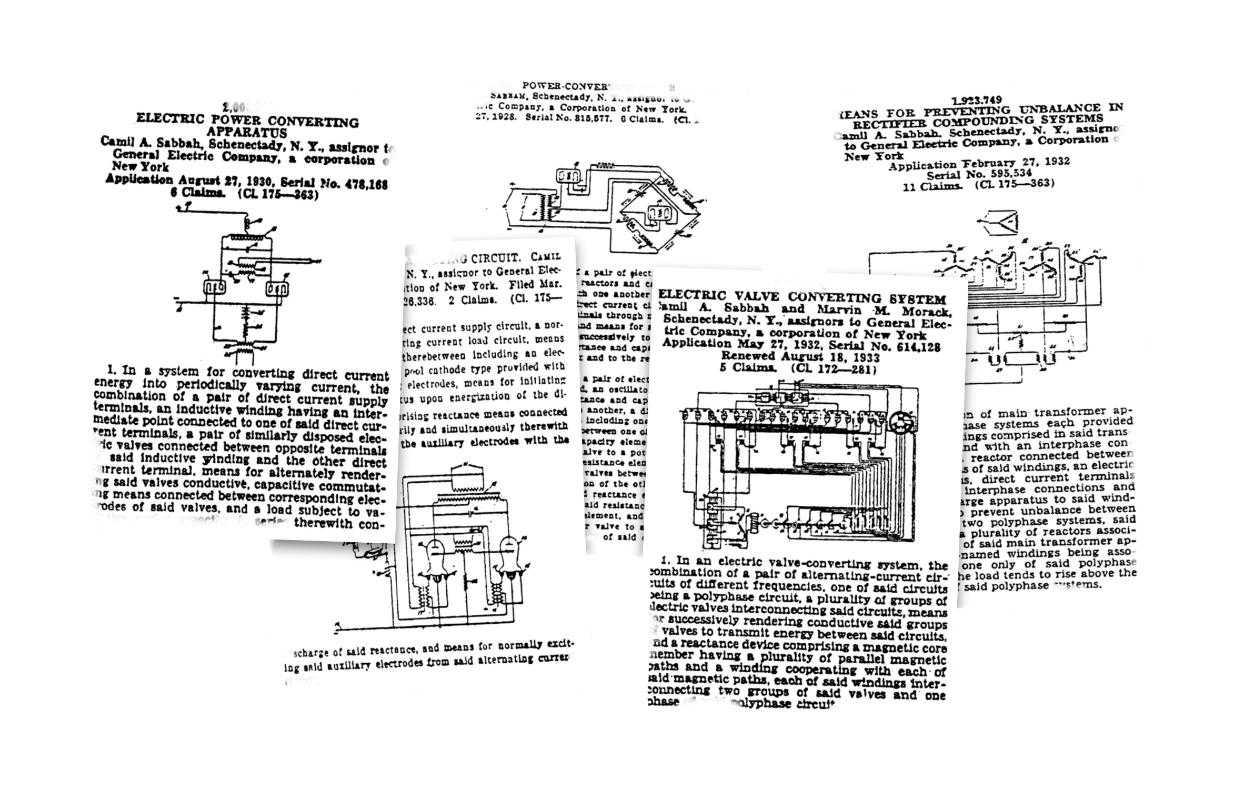
An invaluable resource dating and detailing all of the patents that Sabbah registered during his employment at General Electric in Schenectady.
-
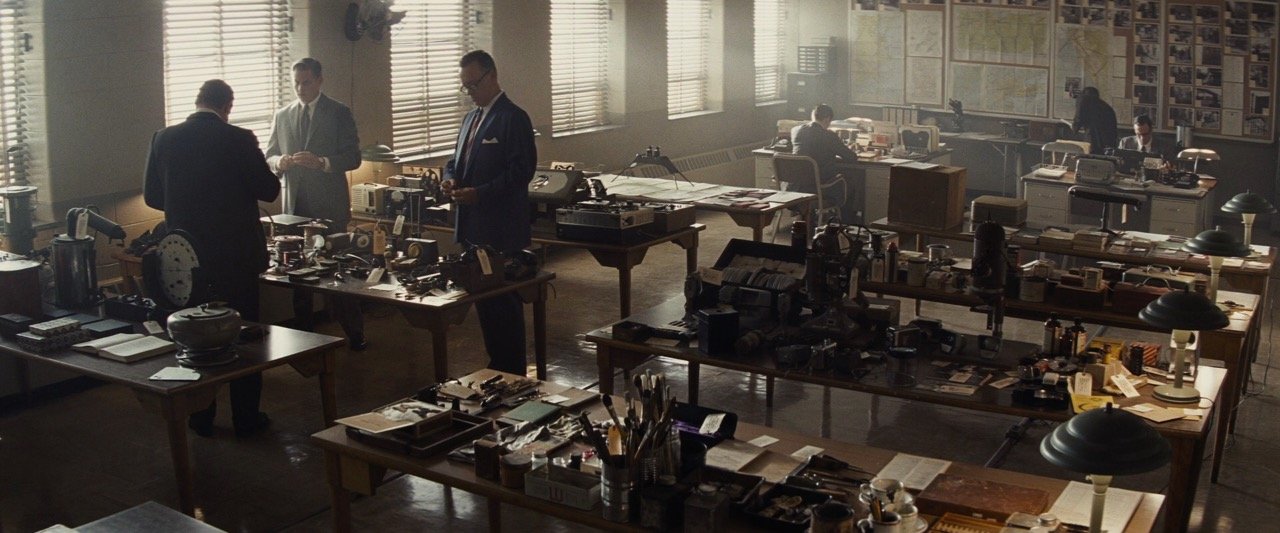
MiSci has granted access to an incredible archive of materials relating to the history of General Electric, its technologies, Schenectady, and Sabbah.
-
AUB, where Sabbah used to study and teach in 1921, holds an invaluable collection of archives including articles, newspapers and other information on Sabbah.
PATENTS
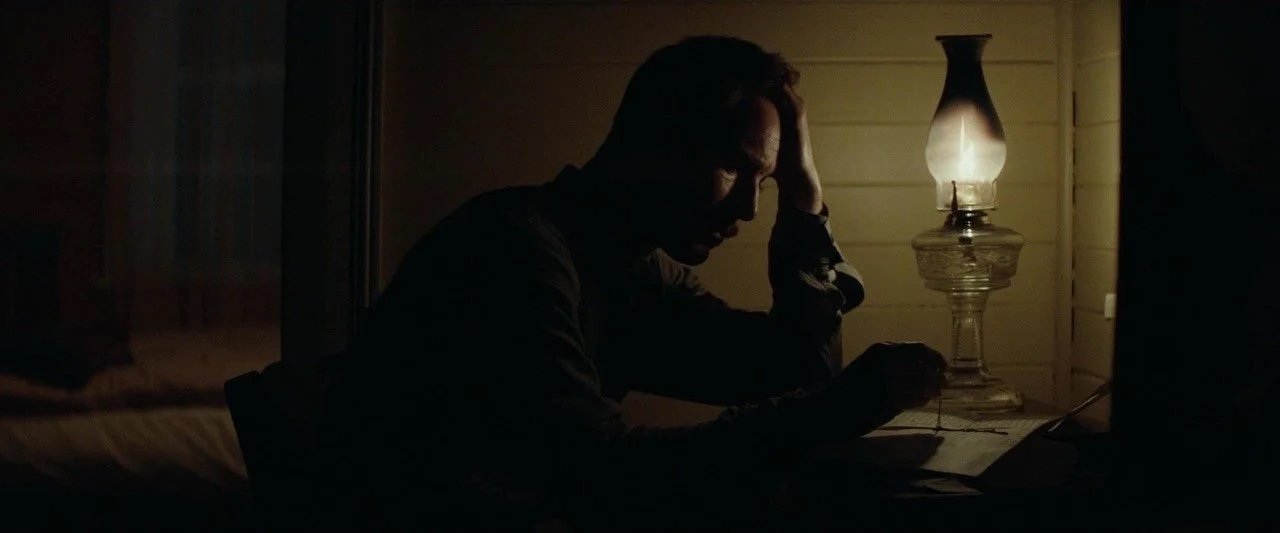
Sabbah’s patents covered solar cell technology, LCD displays, cathode ray tubes and various industrial machines. General Electric were benefiting greatly from automatic ownership for $1 per patent and his confidentiality agreement, an important element in our unraveling story.
LETTERS
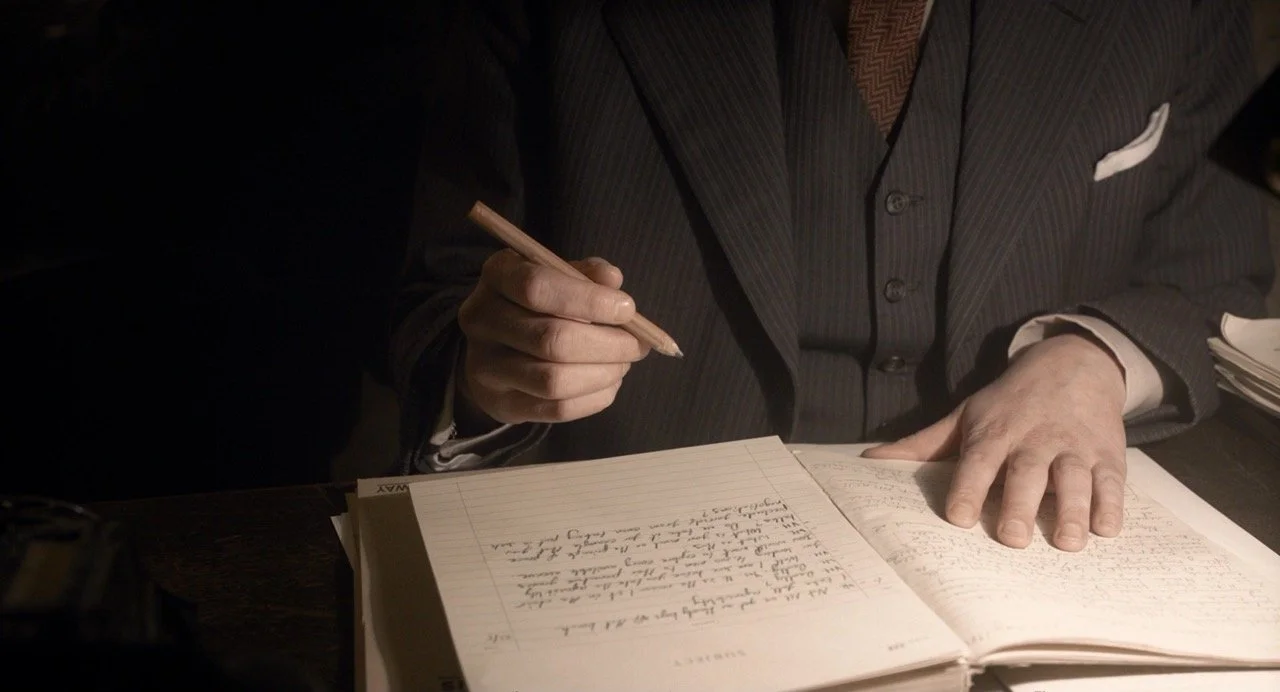
Preserved and made publicly available, Sabbah’s letters to his family offer unique insights into his life and integration into American life. His last letter, dated March 28th 1935 and in which he expressed fear for his life, was sent two days before his death.
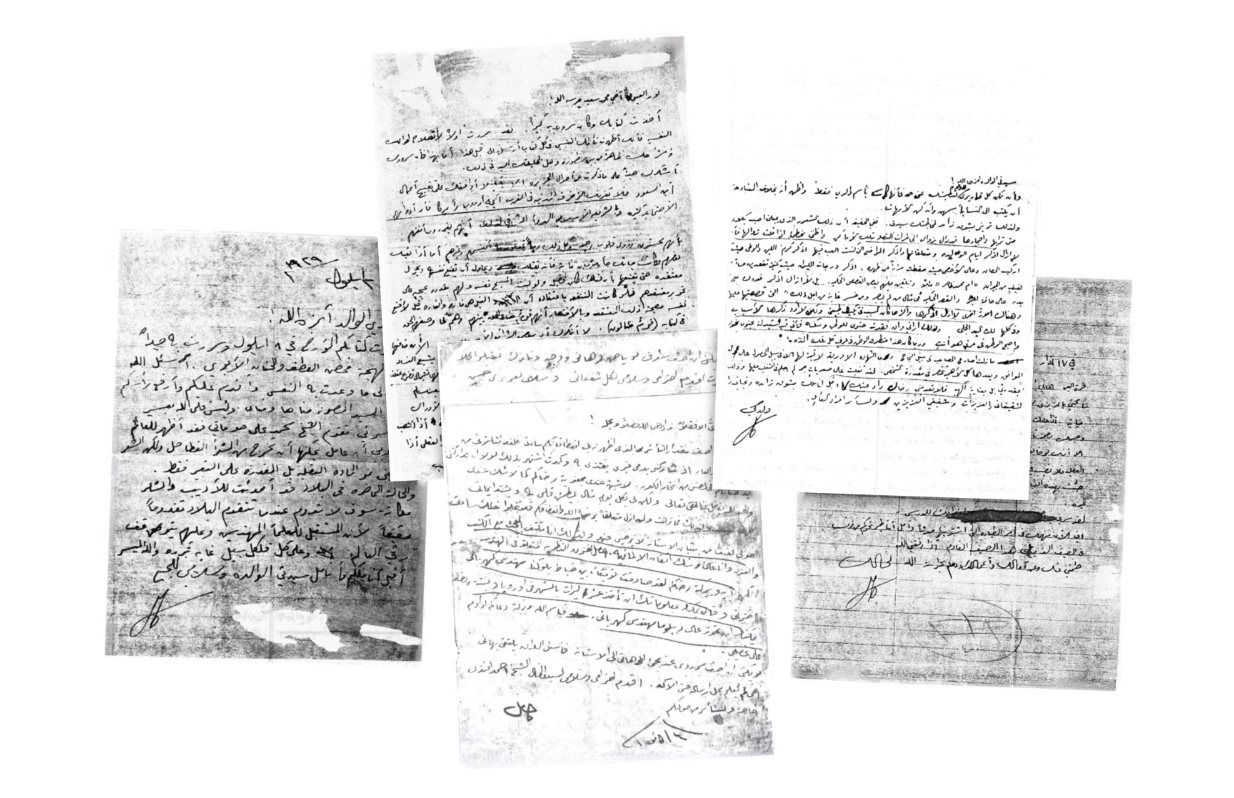
“I am going through a difficult and dangerous period. It seems that my dream to follow my own path has lead others to seek to remove me from theirs.”
SHORT SYNOPSIS
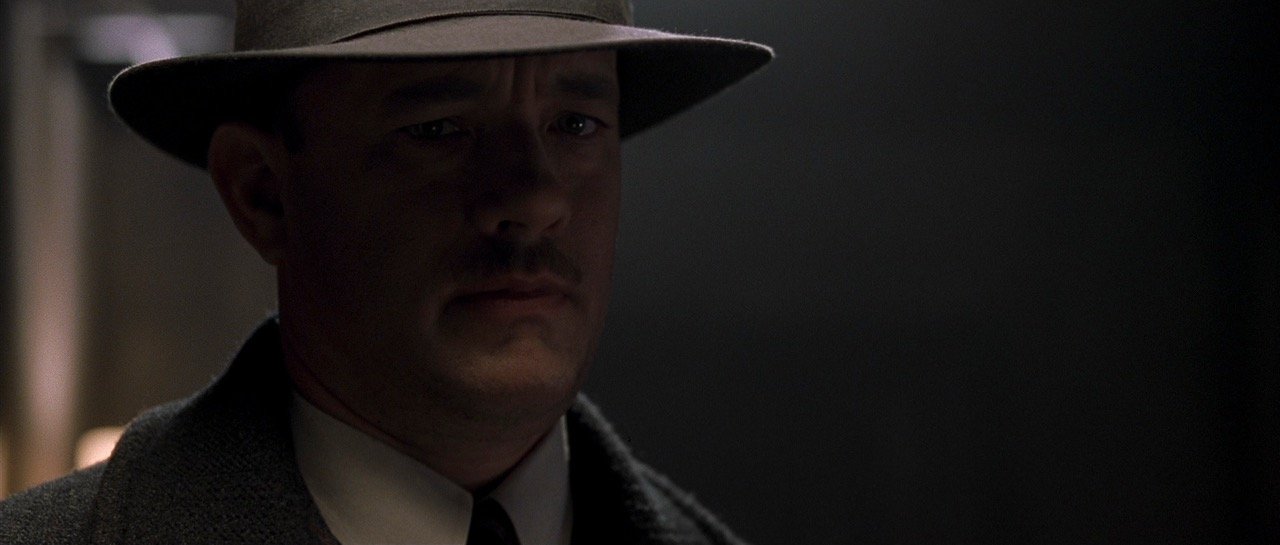
A young Camil challenges his teacher at school, landing him in trouble. Camil’s parents argue. Camil hands his mother a paper lantern he built. As it flies away, he inquires about the stars…
Camil is now employed as an electrical engineer at General Electric. He presents a new invention to the company, but they dismiss his request to prove it can lead to sustainable solar energy. Frustrated, Camil pitches his idea to the King of Saudi Arabia. Camil is angered to discover the company is keeping him from presenting his work abroad. Camil later receives an offer from Saudi Arabia, and is even approached by the Soviets. The company, protective of Camil, reminds him that his work is proprietary.
Camil starts sneaking some work out in a folder to avoid their control, but is betrayed by a trusted colleague, only to discover the company is in talks with the government to drill for oil in Arabia. Camil runs into a mysterious man lingering around his house. Camil becomes fearful and decides to leave. He asks his neighbor for help in selling his car before his travels, and takes his folder with him. On his way to sell the car, it crashes. Camil passes away, and his folder disappears.
Camil’s parents receive word of his passing… His body is sent back and buried in Lebanon. Mourning, his mother cherishes a memory of her son, and through the words of his last letter, we see Camil's dream materialized today.
CHARACTERS
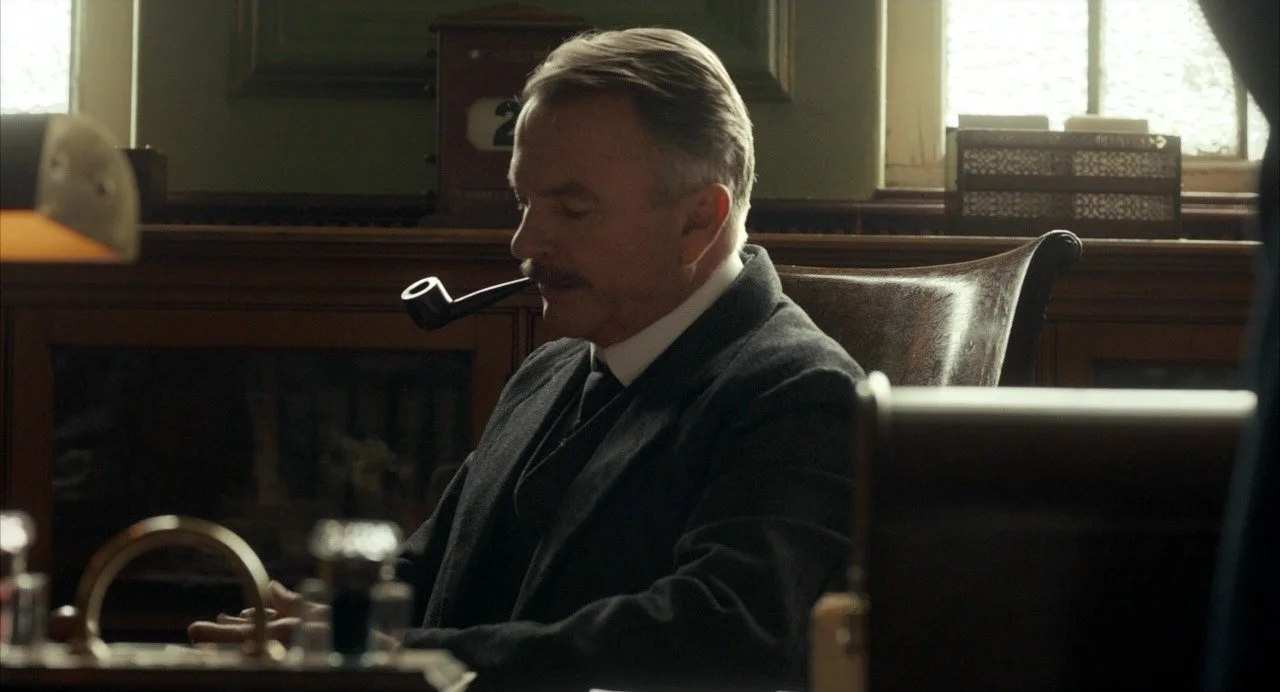
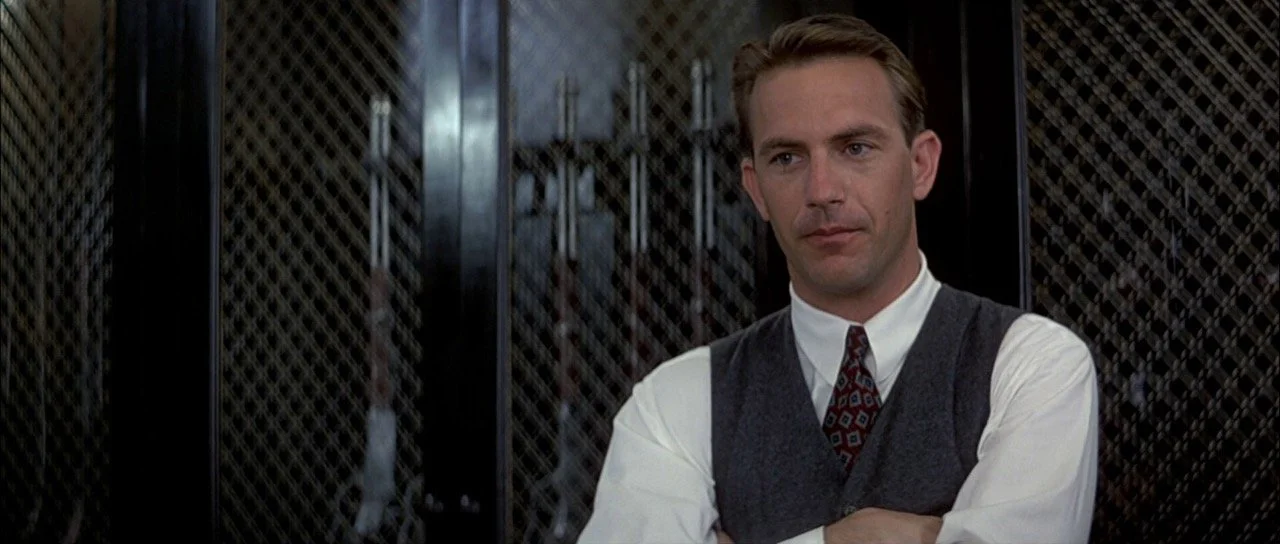
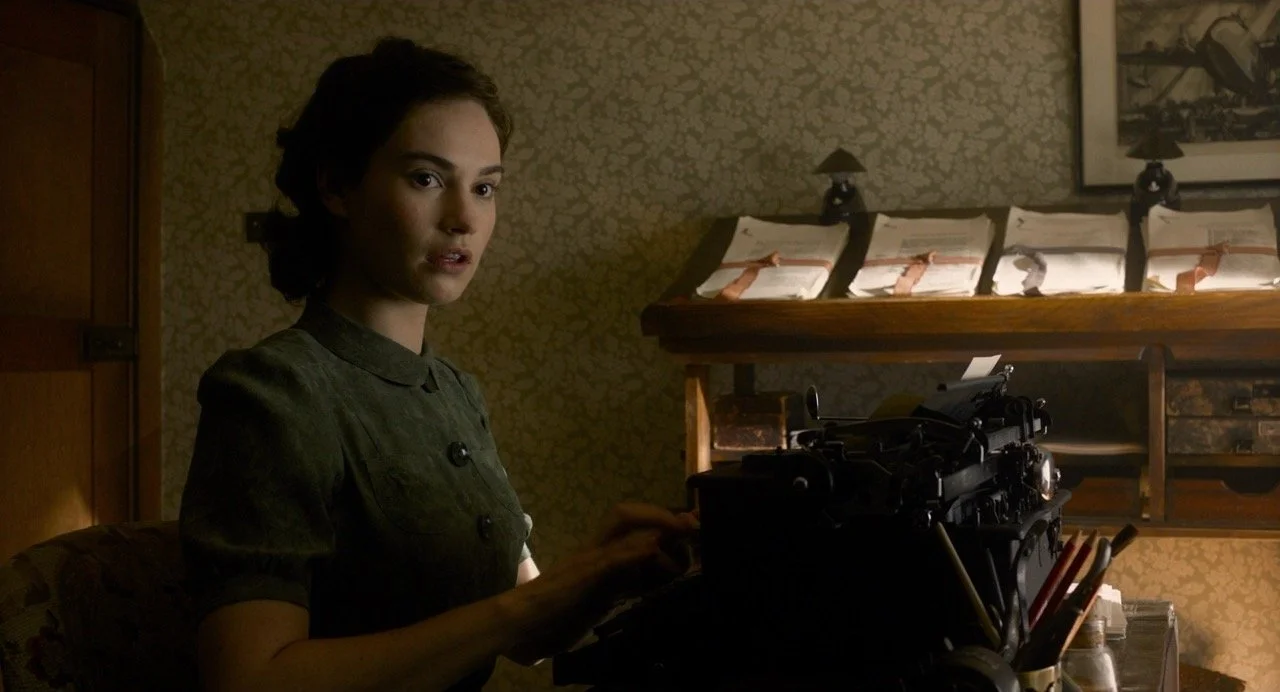
-
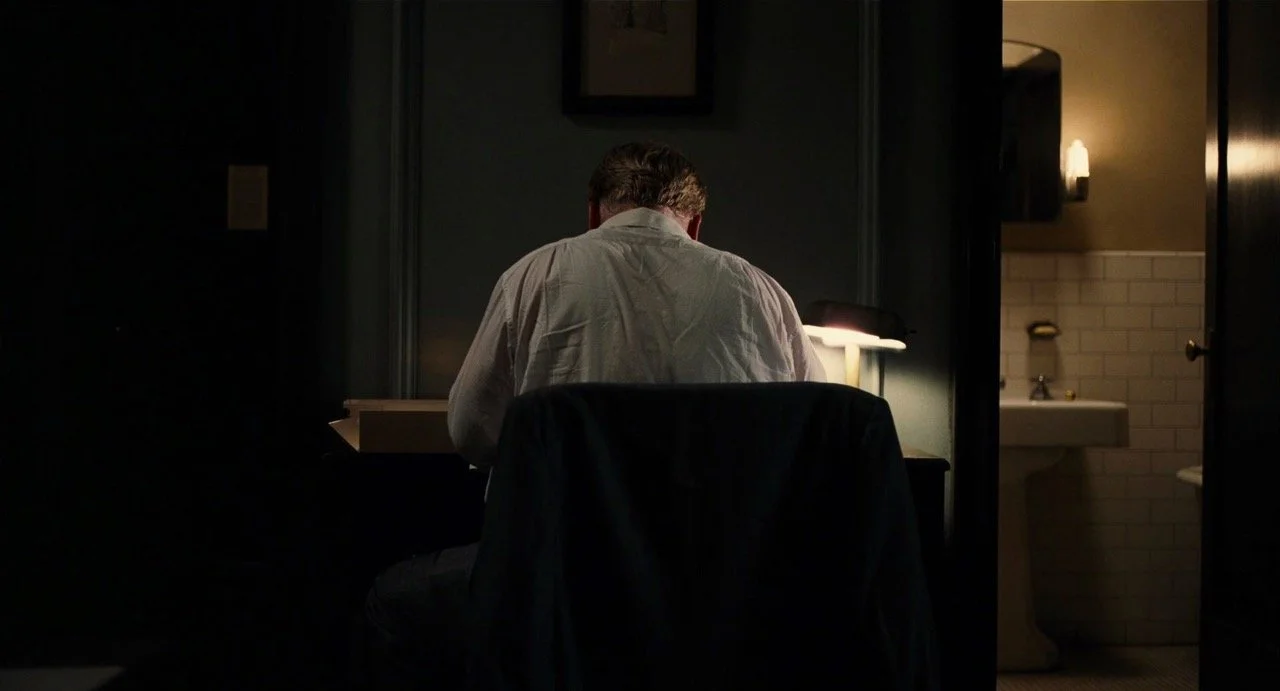
MARCY looks out for the company’s best interests.
-
GRACE connects with Camil through the limiting of her potential as an engineer.
-
PAUL helps Camil with his work, but grows jealous of his achievements.
-
DIMITRI tries to recruit Camil to work for the Russians.
-
The BOGELS, Gideon and Esther, keep an eye on Camil.
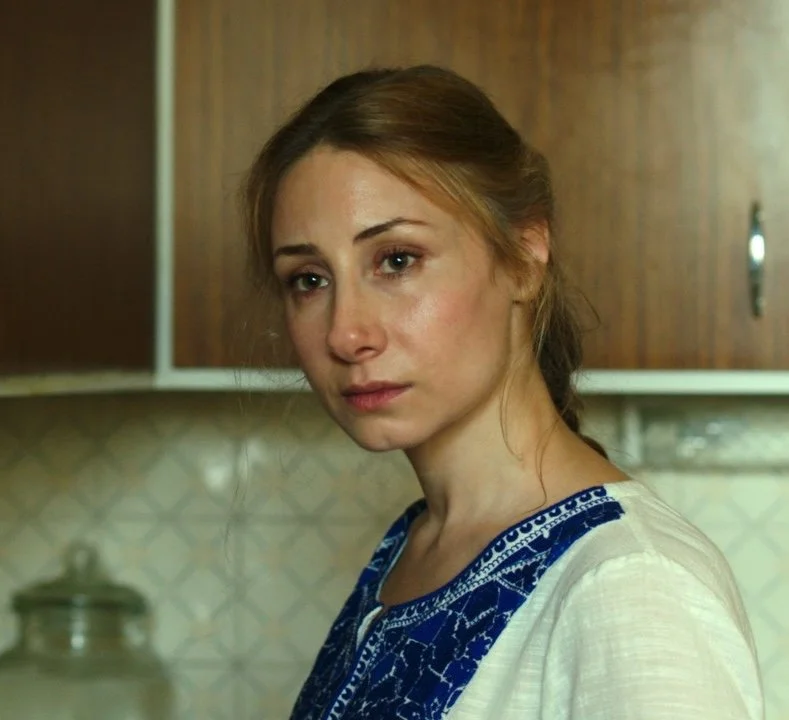
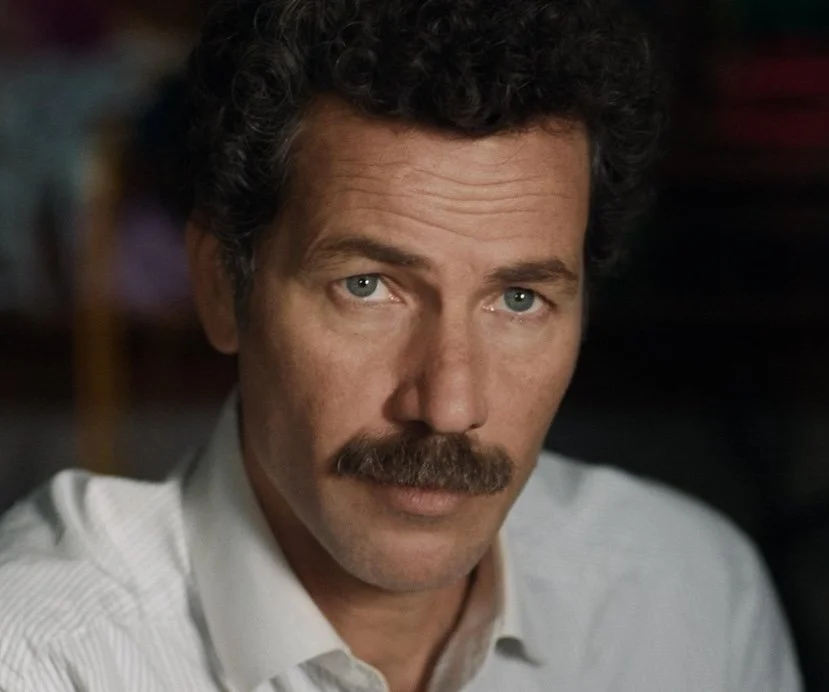
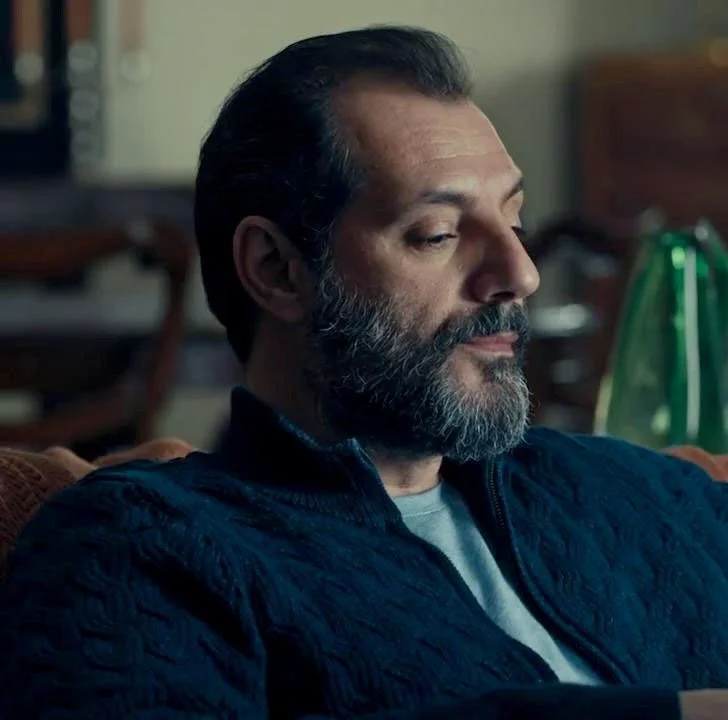
-
ALI is a livestock trader who provides for his family.
-
AMNA supports Camil’s extracurricular curiosities, shielding his ambition from this cruel world.
-
AHMAD fully encourages Camil to pursue knowledge in the fields of science and philosophy.
-
SHARIFA is a personal, emotional anchor in Lebanon that Camil holds onto.
-
IHSAN meets Camil when both are conscripted by force into the Ottoman Army.
WORLD
Parallel Storylines
United States

75% Main Story
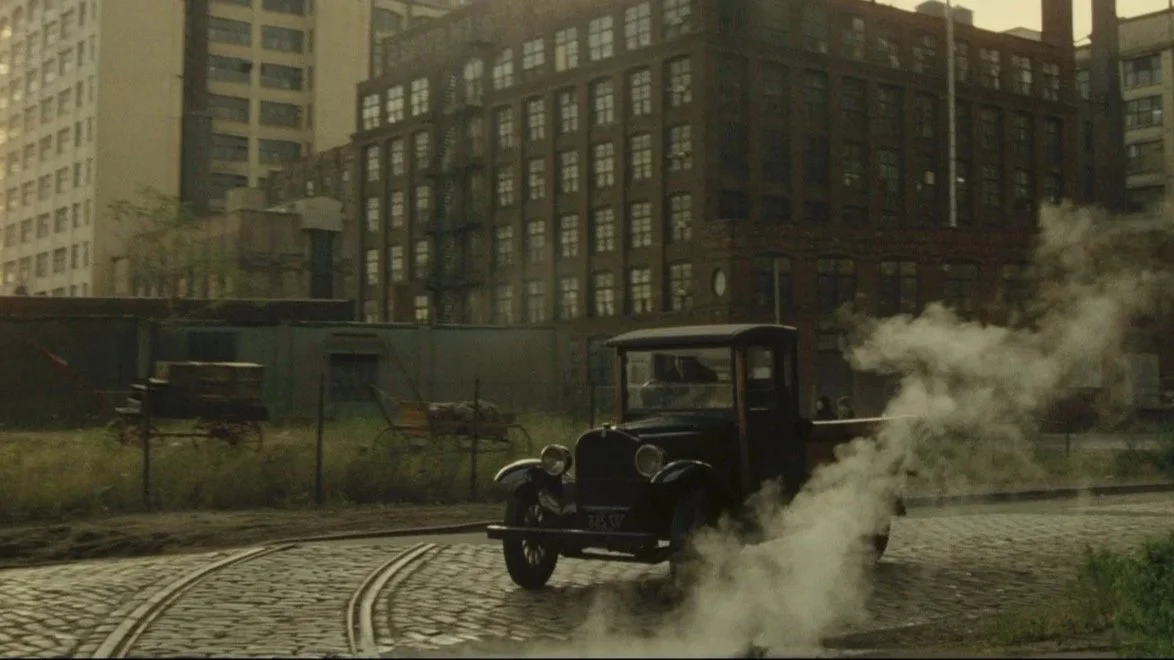
Industrial and middle class, a competitive atmosphere lingers. Some aren’t very welcoming or accepting of foreigners and people of color.
Lebanon

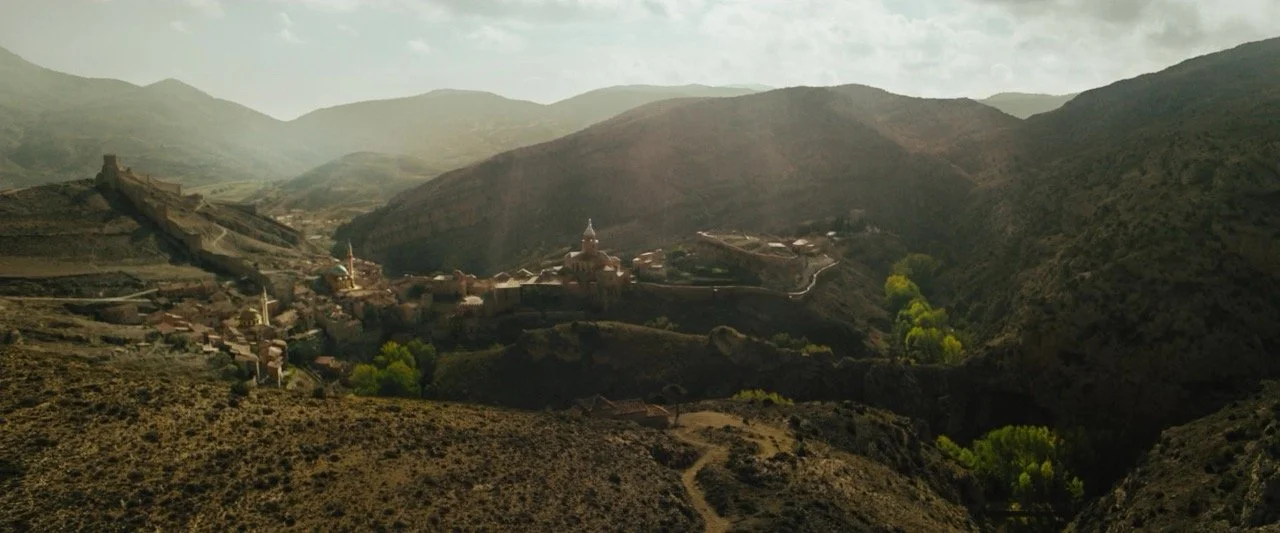
25% Backstory
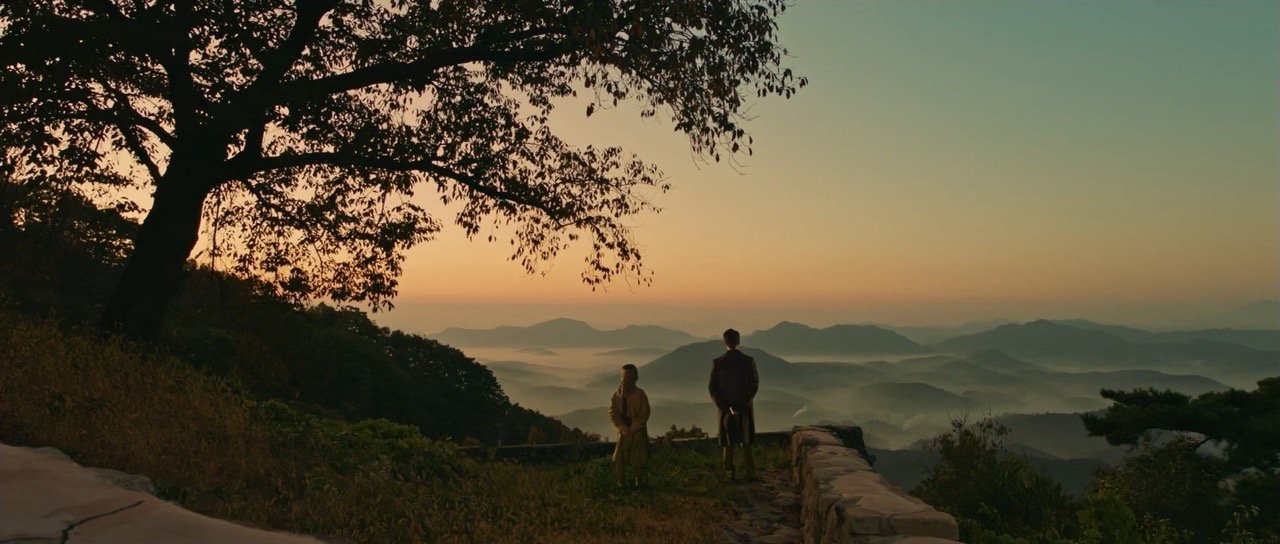
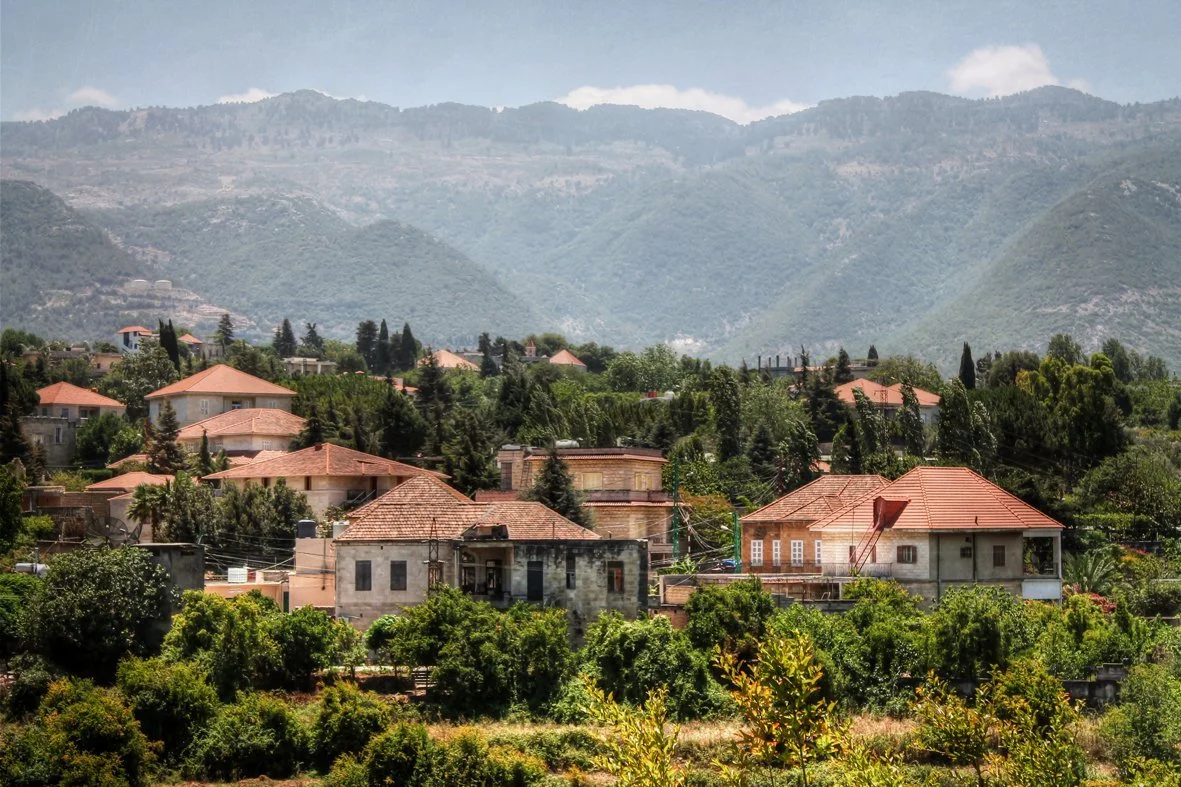
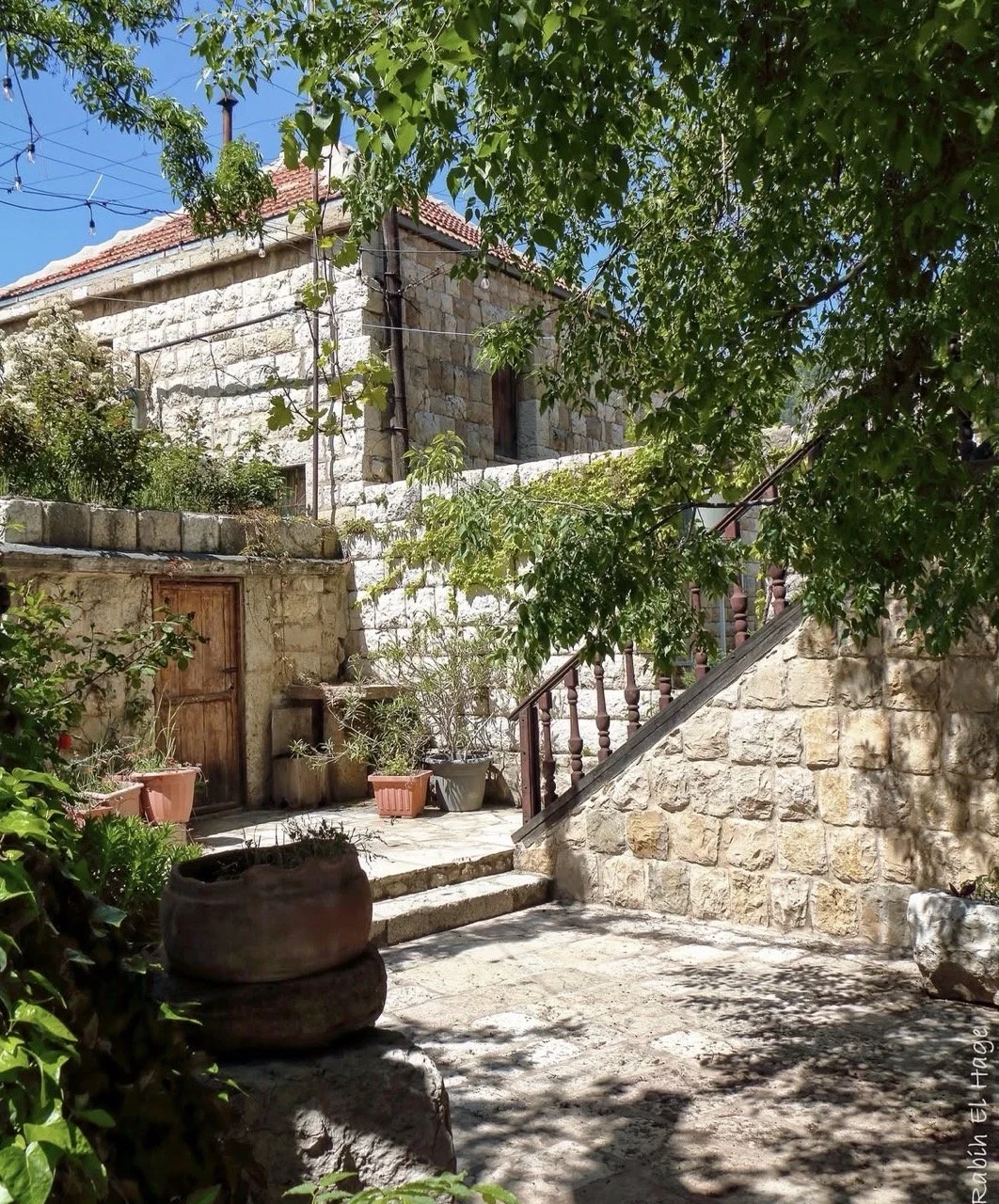
Stone houses with red-tiled roofs surrounded by mediterranean greenery. No depiction of such period Lebanese villages exist in modern cinema.
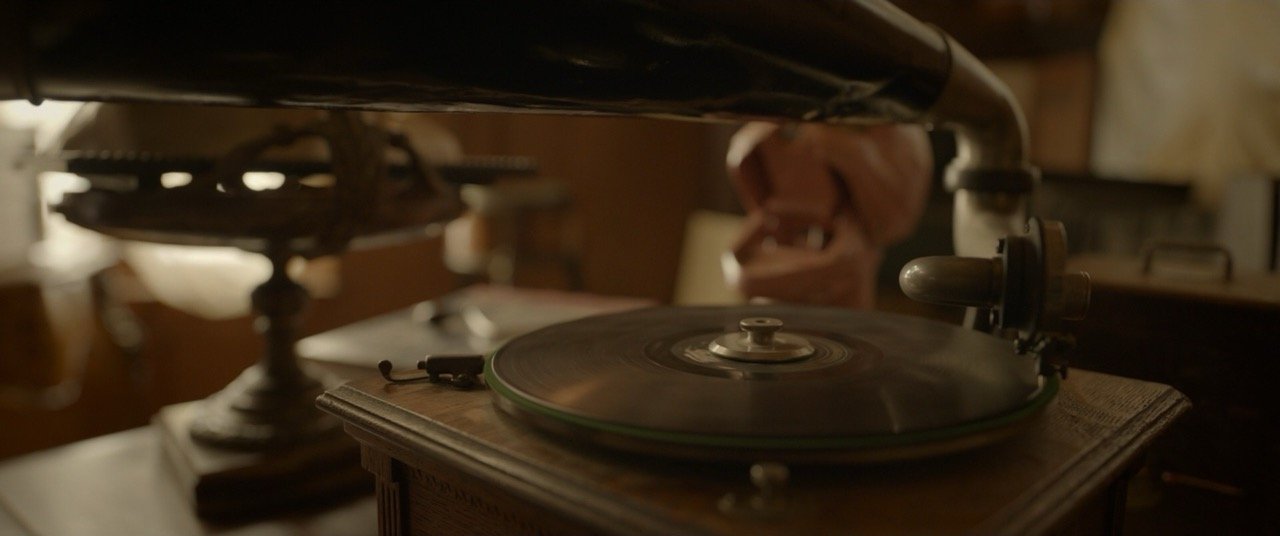
VISUAL LANGUAGE
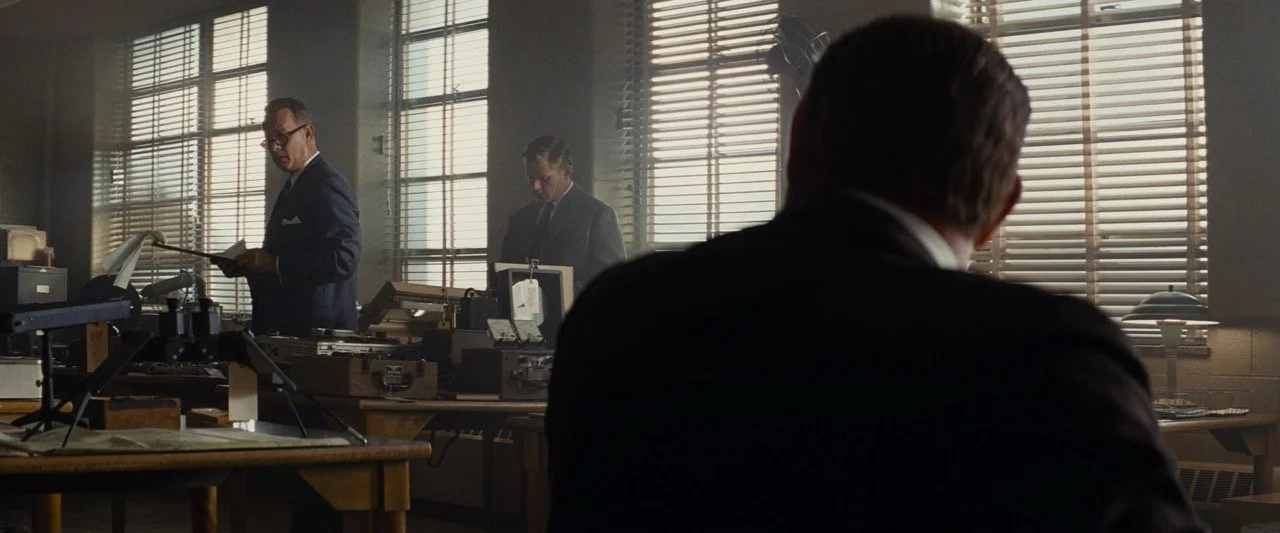
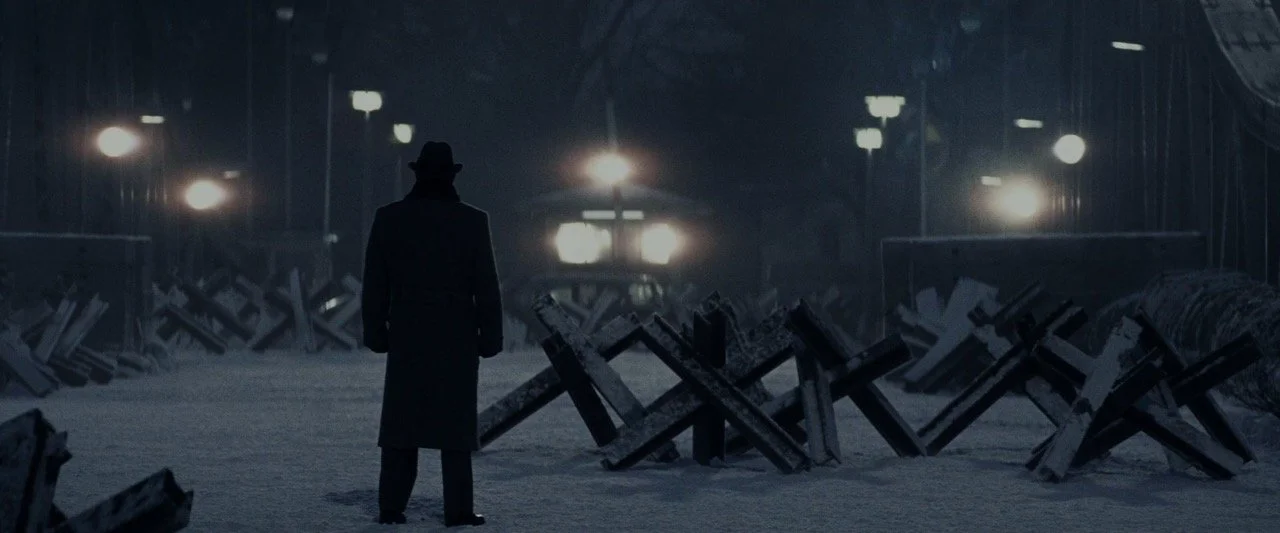
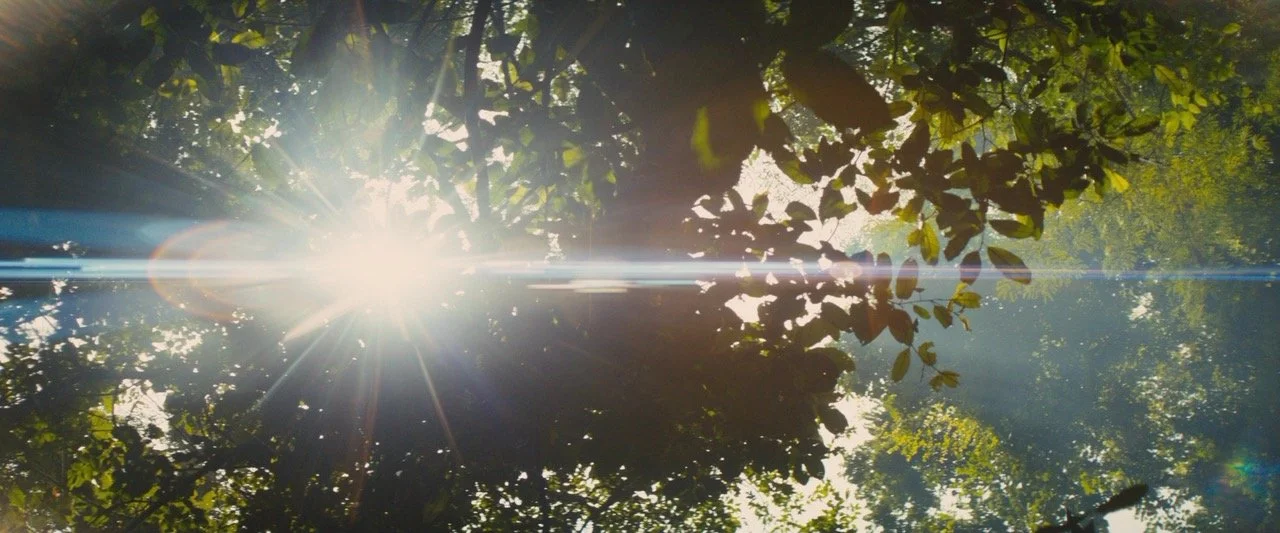
• The cinematography will make use of very stable camera movement. Wide shots show setting and close-ups serve character development.
• Slow push-ins and outs, as well as tracking, will smoothly immerse the audience into the world. The camera will disappear in service of the story.
• Slightly desaturated warm colors and lighting will create an air of intrigue that will linger, highlighting invisible yet omnipresent antagonistic forces.
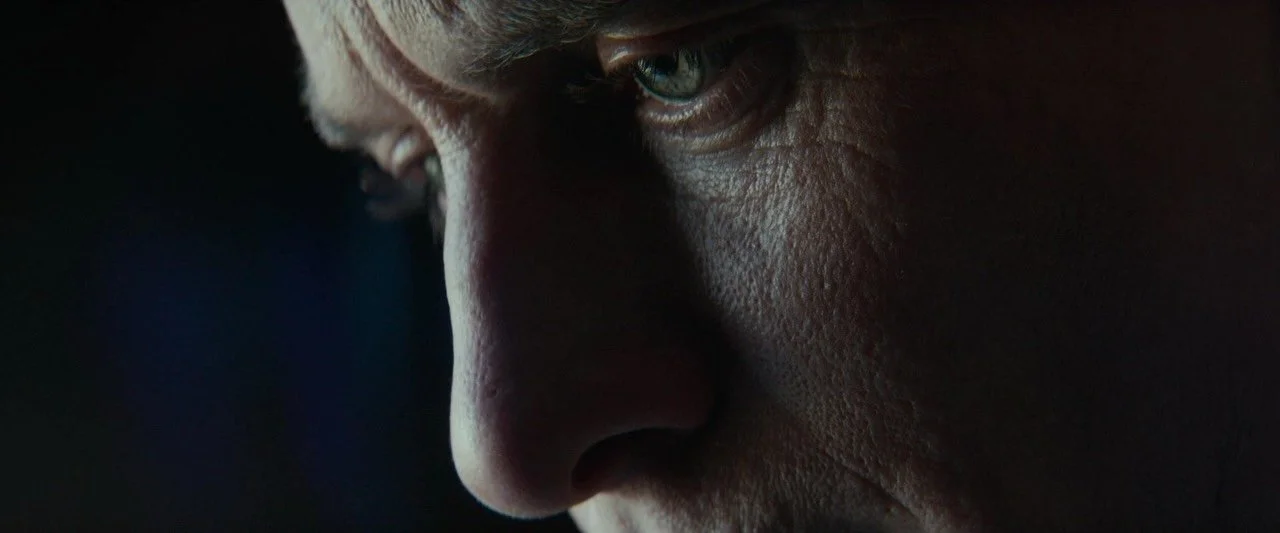
• Close-ups utilize a narrow depth of field for character emotion, while mediums and wides feature most of the environment in focus, similar to classic movies shot on film, as opposed to today’s overuse of blurry backgrounds.
• Strategic framing and focus pulls will present new information, with careful planning for seamless transitions between scenes and storylines.
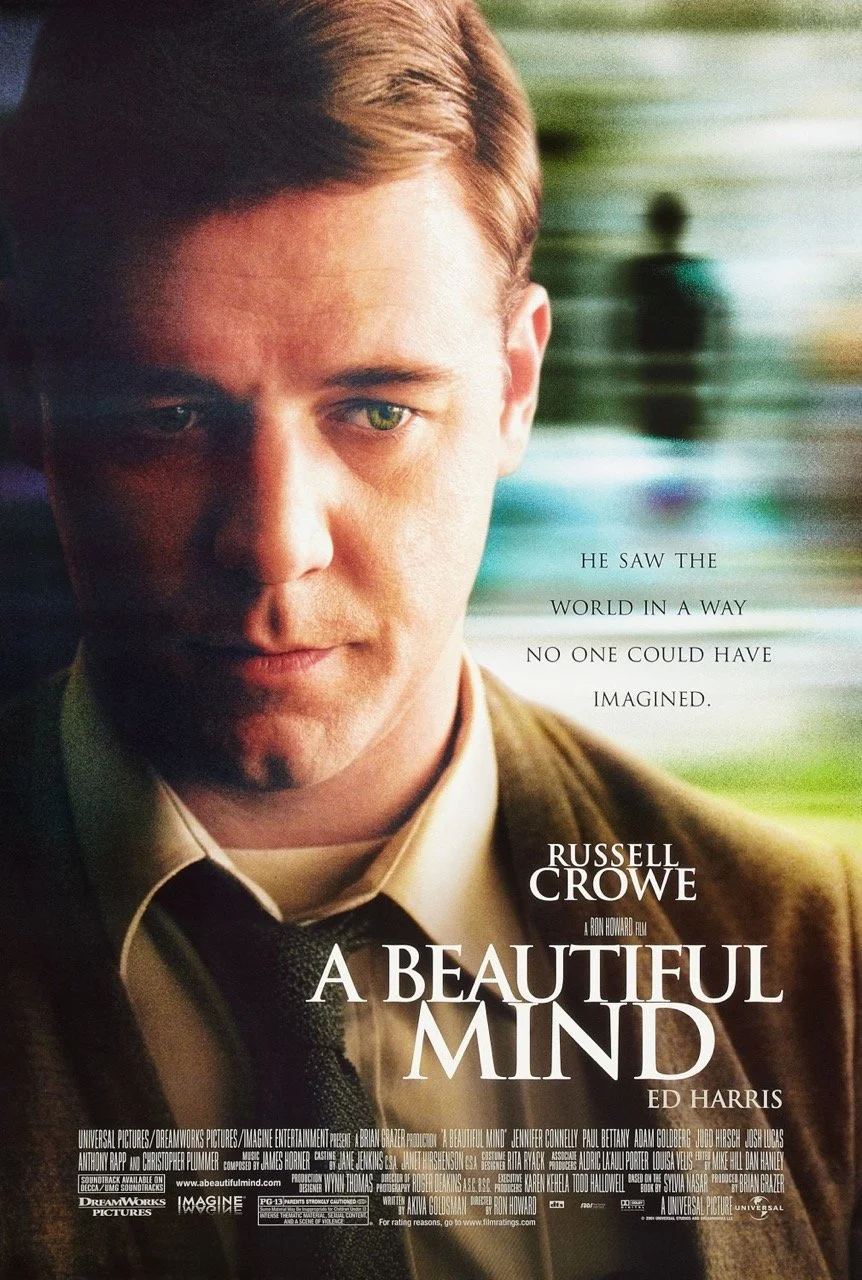
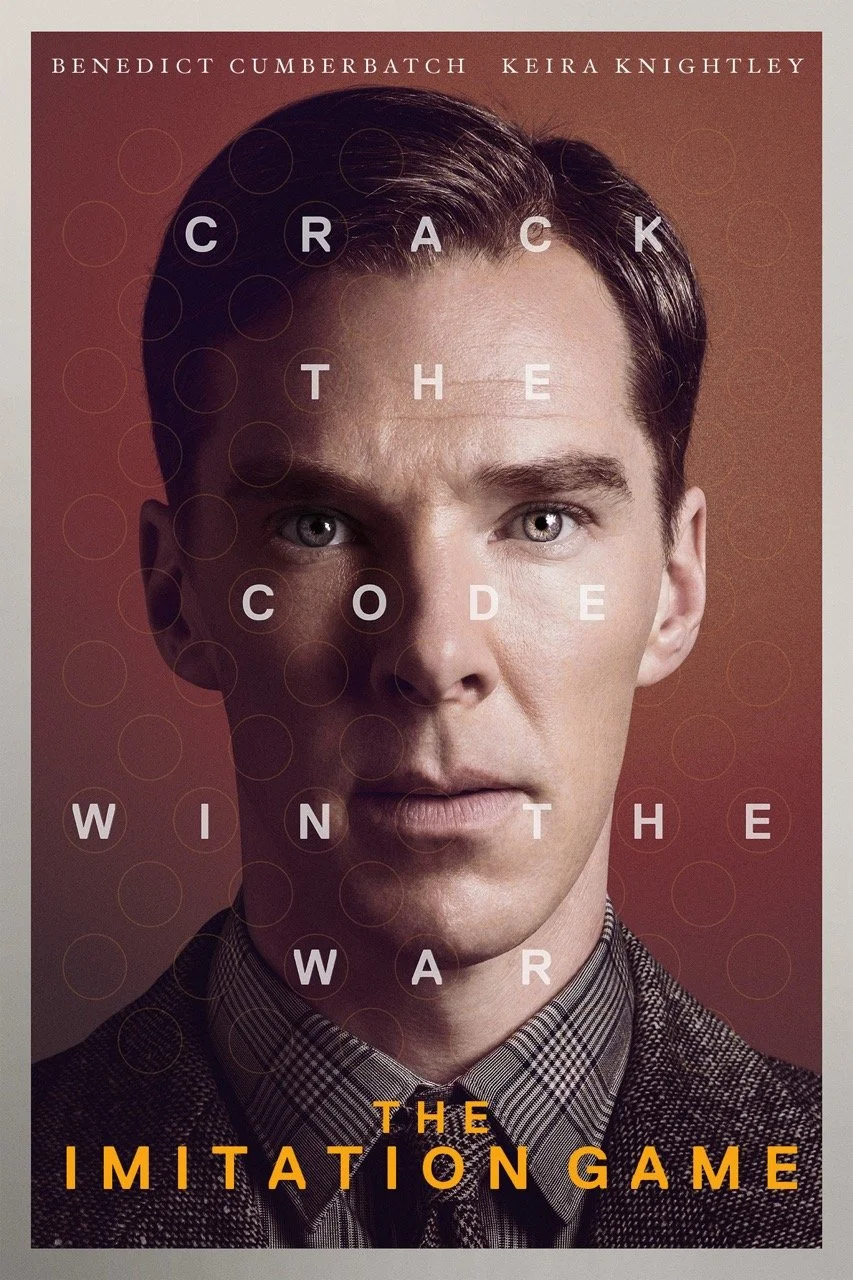
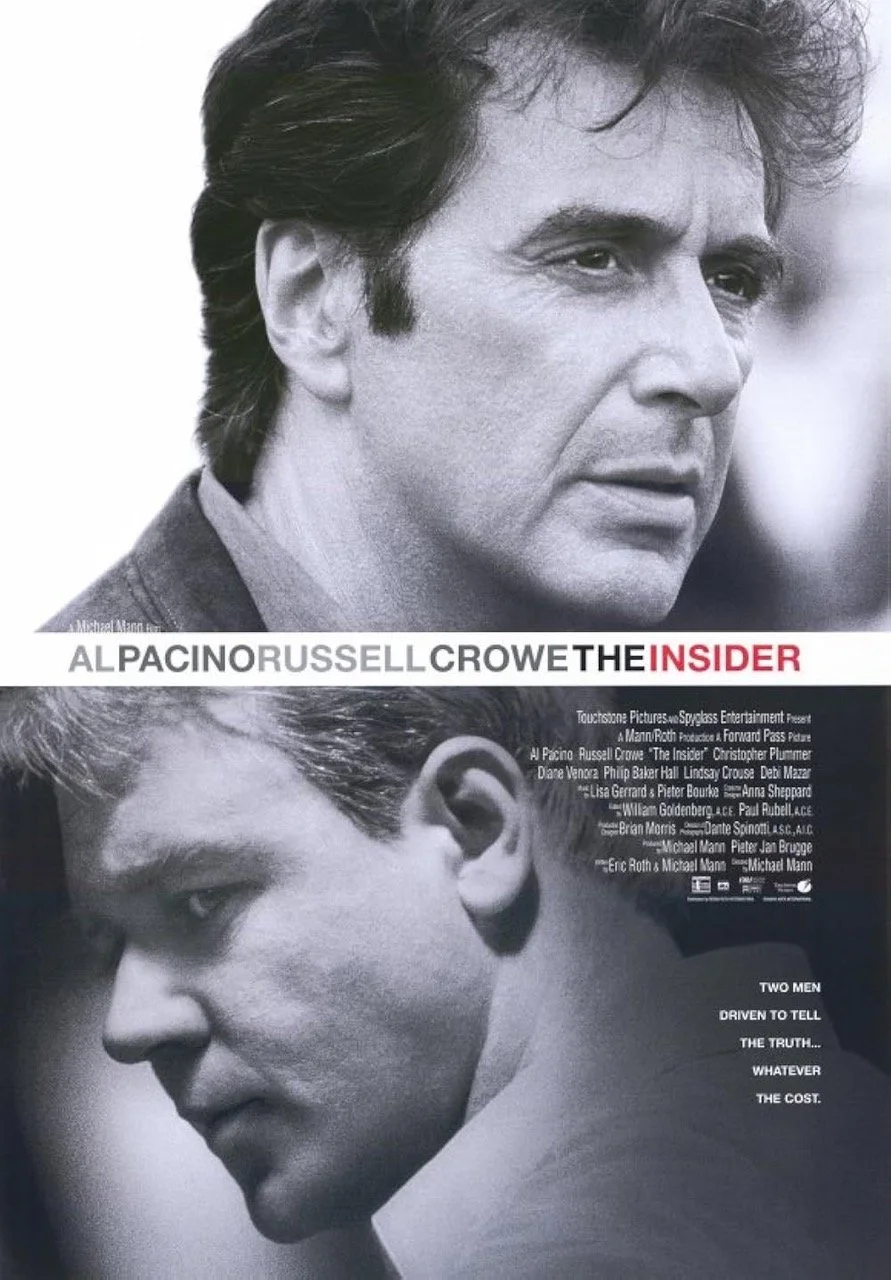
COMPARABLE FILMS
FILMING
-
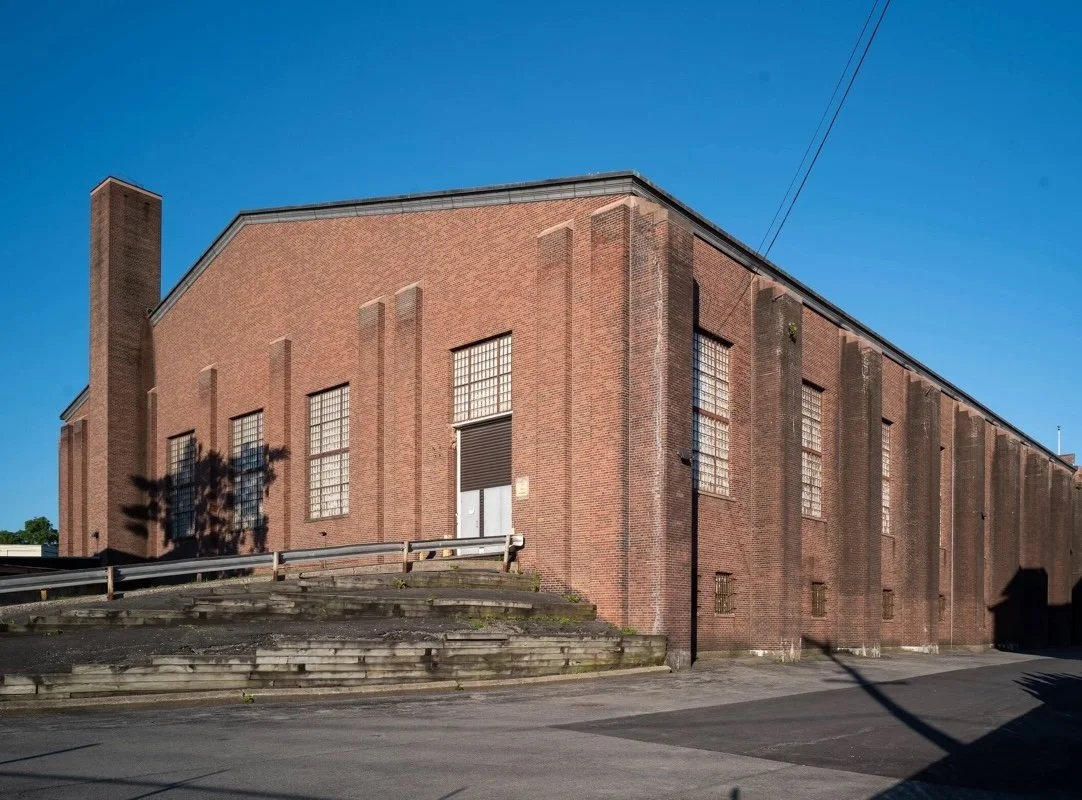
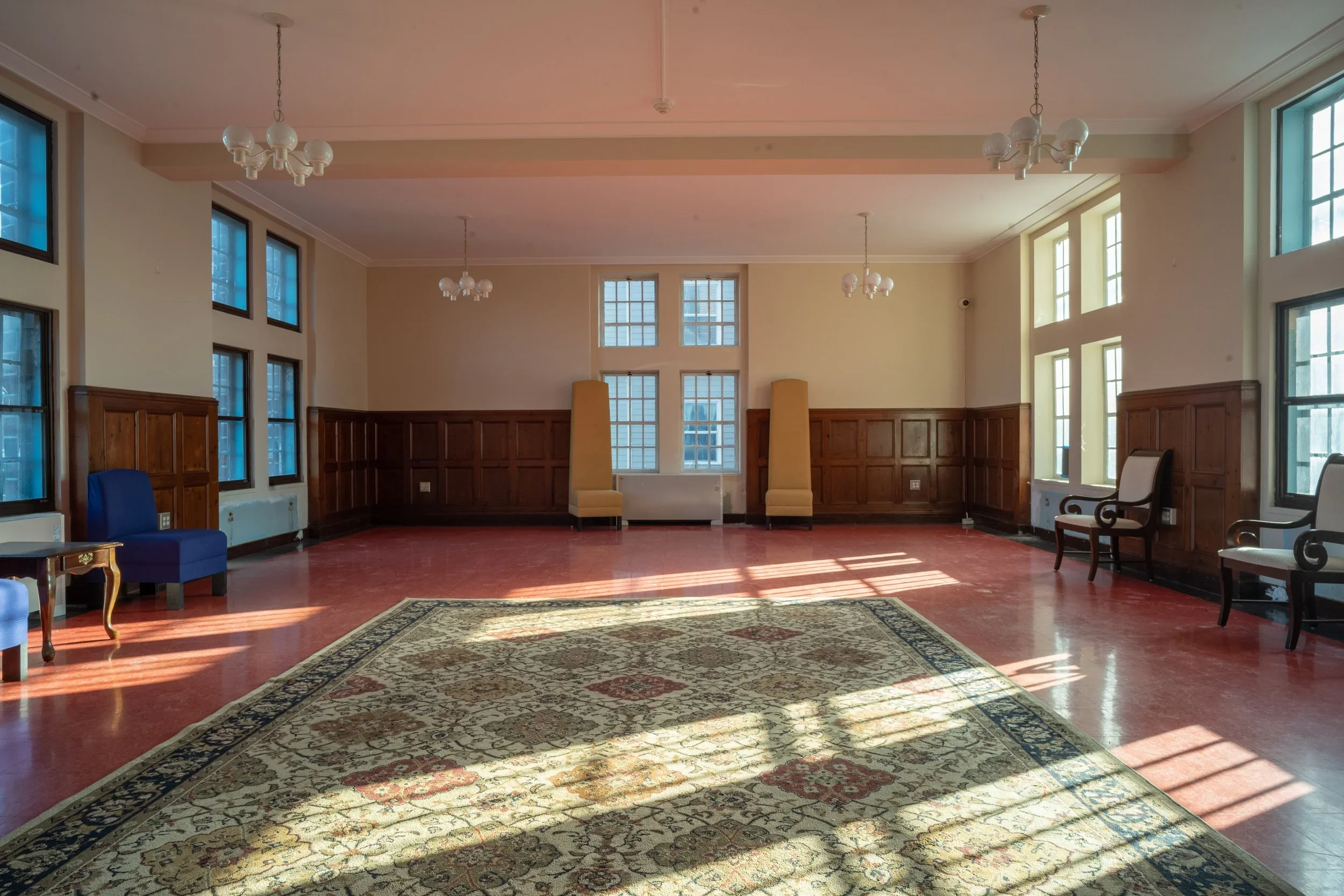
A strong candidate in North America is Armory Studios, a production hub with period-accurate facilities for the film, and the Schenectady Film Commission has confirmed production would be eligible for the 40% New York State Tax Credit. Alternatively, production can be based in Canada, which offers similar tax incentives in addition to strong international co-production agreements.
-
Co-Production veteran Cedars Art Production, one of the leading production companies in the Middle East with a base in Beirut, will produce the Lebanese part of the film. Multiple combinations of villages in proximity to Beirut are possible candidates to hit the right tone between architecture and surrounding landscape.
-
French Talent Agency Agence Adéquat is representing the project and initiating talks with production companies in both North America and Europe. France, which has a co-production agreement with French-speaking Lebanon, as well as with Canada, can potentially host over 50% of principal photography for funding and tax credit purposes.
FINANCING
Current Budget without known actors and before any potential tax deductions:
$3 Million
-
Lebanese co-producer Cedar Arts Production brings financing, production and distribution in the MENA region. The project could also seek additional funds from regional institutions such as AFAC (Lebanon), Rea Sea Film Foundation (Saudi Arabia), Doha Film Institute (Qatar) and Royal Film Commission (Jordan).
-
There is some interest from production companies, especially regarding filming in New York (40% tax credit) and/or Canada, the latter having a strong co-production agreement with Lebanon through France. Optionally, the entire production can be based in North America with the right partner.
-
In addition to representation from Agence Adéquat, any co-production configuration makes the project eligible for cultural funding from the CNC’s (France) “Aide au Cinema du Monde”, as well as regional and state tax credits (30%), including the post-production process.
Financing, co-production and distribution partners are needed.
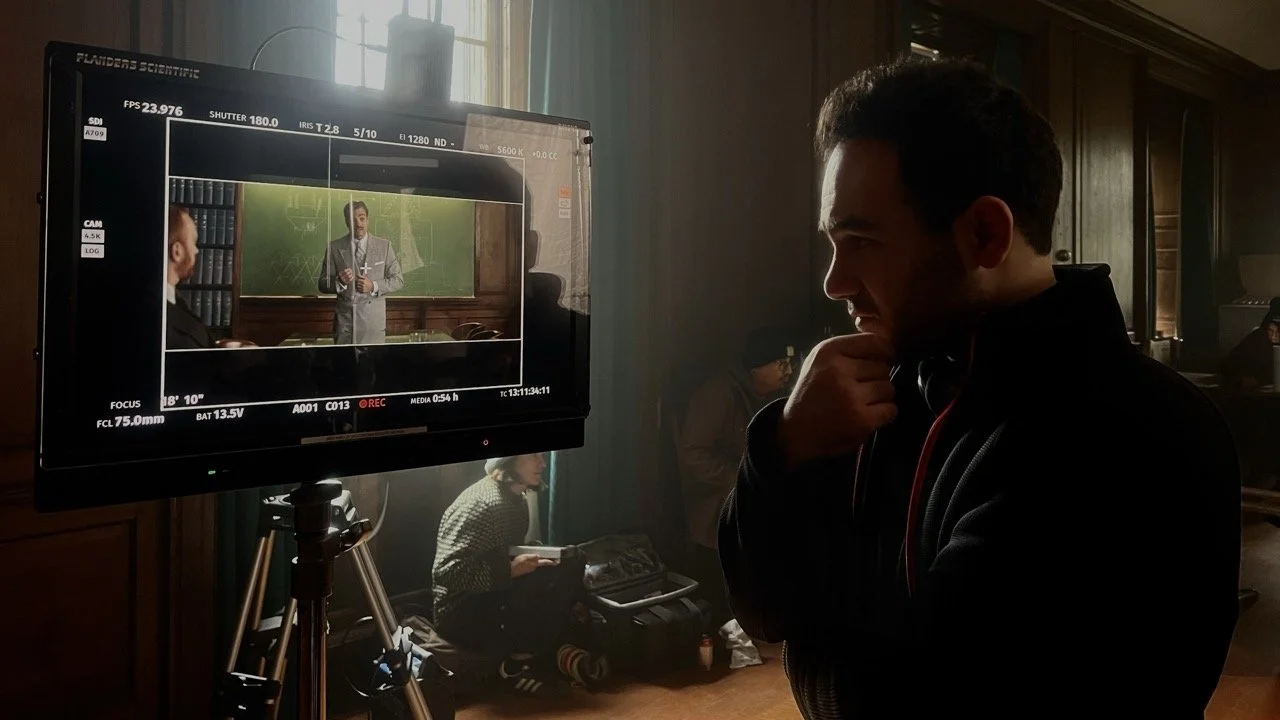
Camille Hamadé is a French-Lebanese filmmaker, BAFTA Connect Member, TIFF Talent and MFA graduate in Directing from Columbia University, where he was selected to join the Co-Production program at La Fémis in Paris, as well as the Atelier Ludwigsburg-Paris at the Cannes Film Festival.
Camille is the recipient of the 2023 BAFTA-Yugo Commissioning Grant for the short film “To Fade Away” which has also been awarded a Production Grant from the Alfred P. Sloan Foundation, in partnership with the Museum of the Moving Image. It was among the projects featured at the 2025 Sloan Film Summit hosted by Film Independent. The film premiered at the Academy Award®-Qualifying Cleveland International Film Festival in the esteemed Groundbreaker Program, where it won the Audience Choice Award, as well as an International Cinematography Guild Award at the Television Academy in Los Angeles.
To Fade Away the feature film was selected for the Sloan Science and Technology Project Pitch at TIFF.
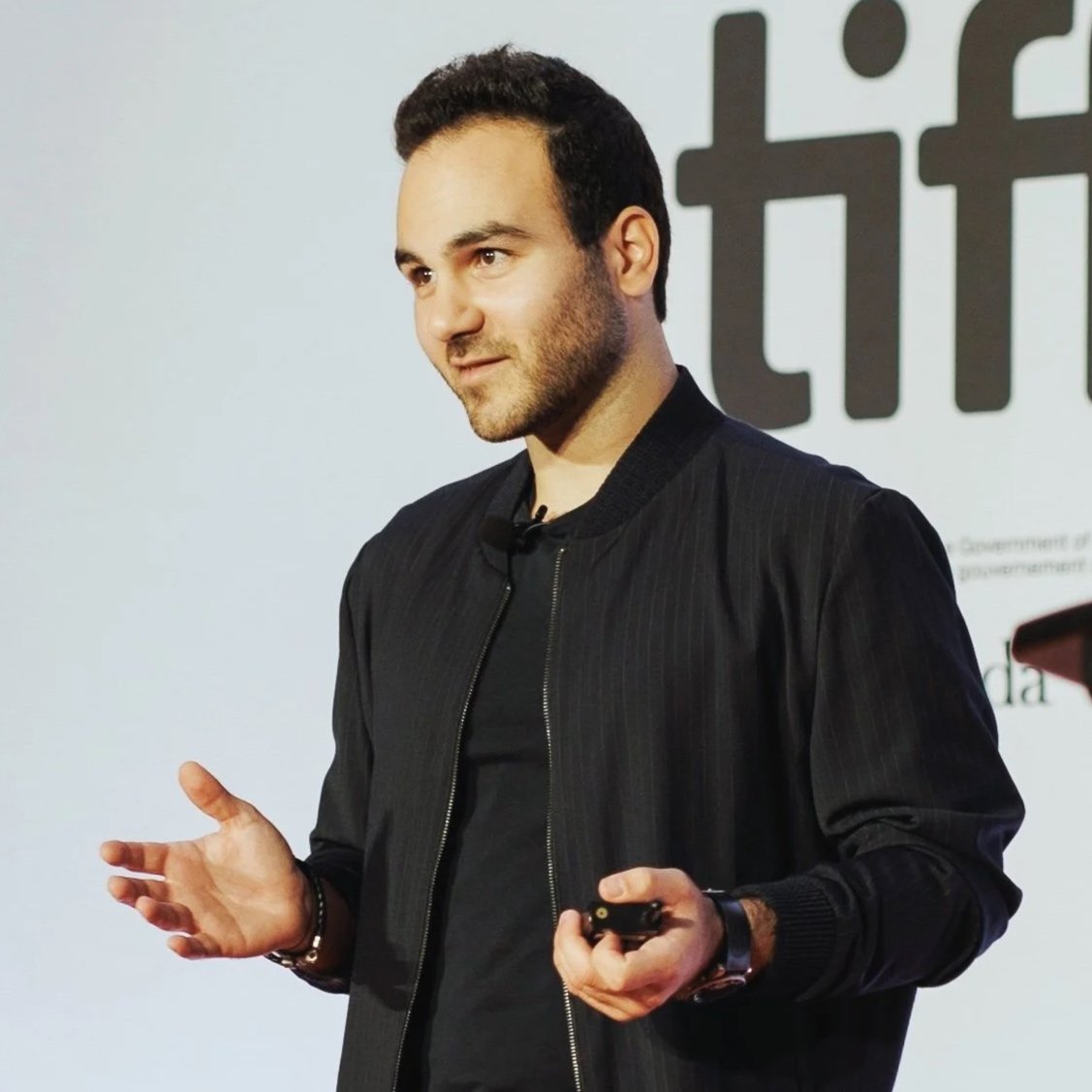
Camille Hamadé
Writer/Director